Microsoft Enhances Ads Tracking With Conversions API
Microsoft Ads can now track sales and lead records directly from business systems, filling gaps in browser tracking. This enhancement matters because it helps advertisers measure activity more accurately.
Original reporting · searchenginewatch.com
Original: “Microsoft Ads can track more of the sales your browser tag misses”
Read “Microsoft Ads can track more of the sales your browser tag misses” at Search Engine Watch →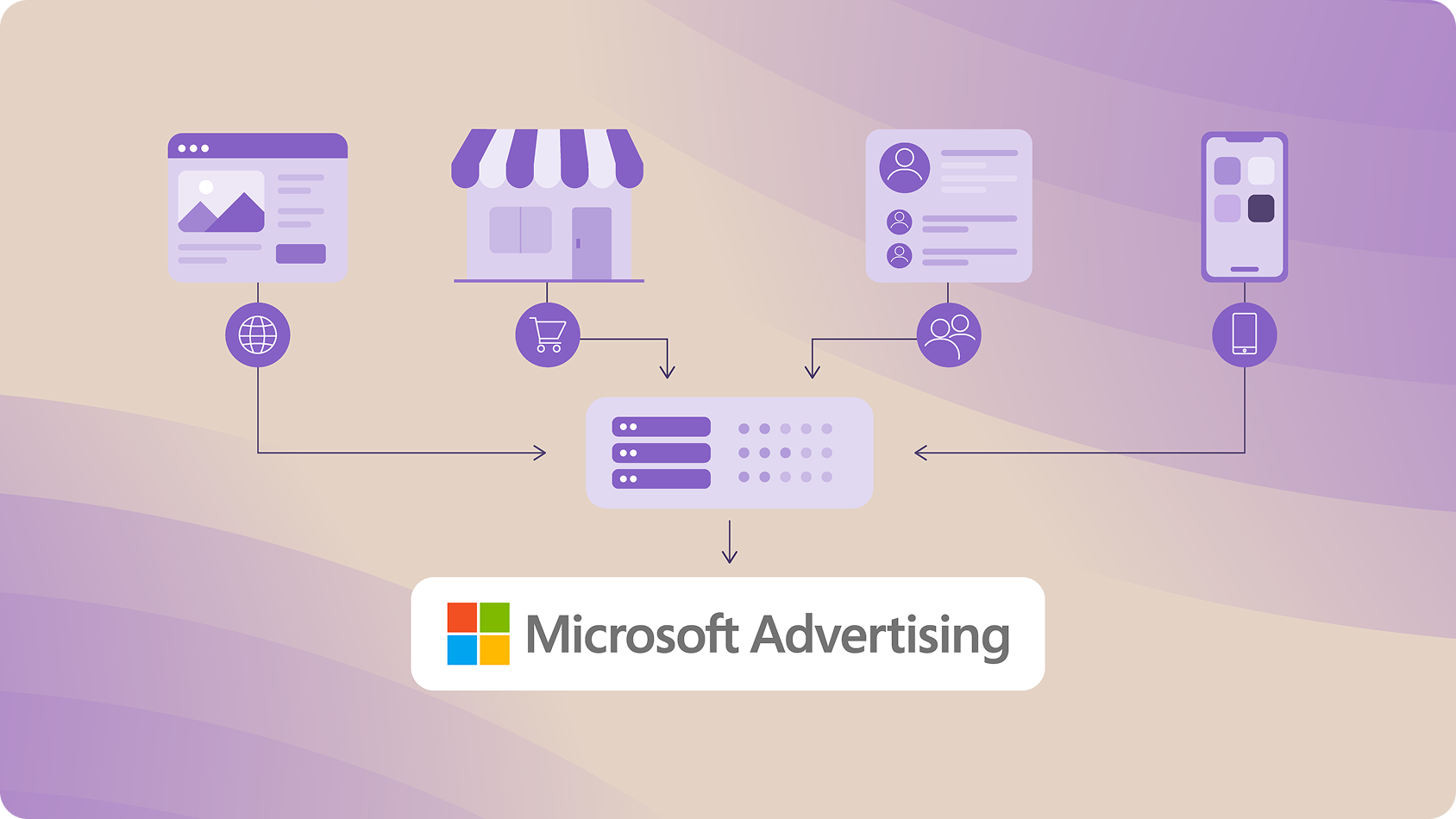
How this was written. Adtomix wrote this article with a language model from Search Engine Watch’s reporting (model: @cf/meta/llama-3.3-70b-instruct-fp8-fast); it describes that reporting rather than adding to it. The original, linked above, is the full story.
Key points from Search Engine Watch’s report
- Microsoft Ads' Conversions API allows advertisers to track sales and lead records directly from their business systems.
- The API connects various data sources, including websites, apps, and customer databases, to the Microsoft advertising platform.
- Combining the API with Microsoft's Universal Event Tracking tag can help capture both browser activity and server-side events.
- Advertisers need to follow platform-specific matching rules to ensure accurate tracking and avoid duplicate events.
- The Conversions API defaults to granted advertising consent, but integrations need to pass the denied value when appropriate.
Microsoft Ads has introduced its Conversions API, which allows advertisers to receive sales and lead records directly from their business systems. According to Search Engine Watch, this connection provides another way to measure activity that browser tracking can miss. The Conversions API is now generally available, giving advertisers more flexibility in tracking their ad performance.
The Conversions API connects various data sources, including websites, apps, customer databases, and in-store payment systems, to the Microsoft advertising platform. Advertisers can set up the API directly, through Google Tag Manager, or with an integration partner. This setup enables the tracking of records that businesses already hold, such as shop transactions or leads that become sales in their customer database.
The Conversions API supports additional data sources, including in-store sales, which can help fill gaps between what businesses sold and what their ads report. By combining the API with Microsoft's Universal Event Tracking (UET) tag, advertisers can capture both browser activity and server-side events. The UET tag captures page context, while the API sends events from the server.
However, combining these sources can create a practical problem, as the same purchase can arrive twice. To address this, Microsoft recommends using the same UET tag ID, event ID, and event name for both routes, so that duplicate events can be recognized. For example, a purchase recorded at checkout and then sent from the order system needs a shared identity to avoid being counted twice.
Google has also documented a way to supplement website tags with customer records, using transaction IDs within a conversion action. Teams using both platforms need to follow each platform's matching rules to ensure accurate tracking. Microsoft's API defaults to granted advertising consent, but integrations need to pass the denied value when appropriate, excluding events marked as denied from advertising uses.
A successful server response does not necessarily mean that a conversion will appear in reports, as attribution still depends on factors like matching identifiers and conversion-goal rules. Advertisers should test their setup by tracing a known sale through the system to ensure it counts correctly and carries the right consent choice. This helps improve measurement accuracy and avoid overcounting conversions.
As advertisers begin to use the Conversions API, they should be aware of the potential implications for their ad campaigns. By recovering missing records, advertisers can gain a more accurate understanding of their ad performance and make more informed decisions about their marketing strategies. Search Engine Watch reported that Microsoft's introduction of the Conversions API is a significant development in the field of web analytics.
Questions and answers
What is the Conversions API and how does it work?
The Conversions API is a service that connects business systems to the Microsoft advertising platform, allowing advertisers to track sales and lead records directly from their systems.
How can advertisers set up the Conversions API?
Advertisers can set up the API directly, through Google Tag Manager, or with an integration partner.
What are the implications of using the Conversions API for ad campaigns?
The Conversions API can help advertisers recover missing records and gain a more accurate understanding of their ad performance, allowing them to make more informed decisions about their marketing strategies.