Google Ads Drops SHA-256 Hashing Requirement
Google Ads will no longer require SHA-256 hashing for Data Manager uploads starting November 16, aiming to improve matching and reduce formatting errors. This change affects various upload methods, including CRM connections and direct file uploads.
Original reporting · searchenginewatch.com
Original: “Your Data Manager uploads won’t need SHA-256 hashing from November 16”
Read “Your Data Manager uploads won’t need SHA-256 hashing from November 16” at Search Engine Watch →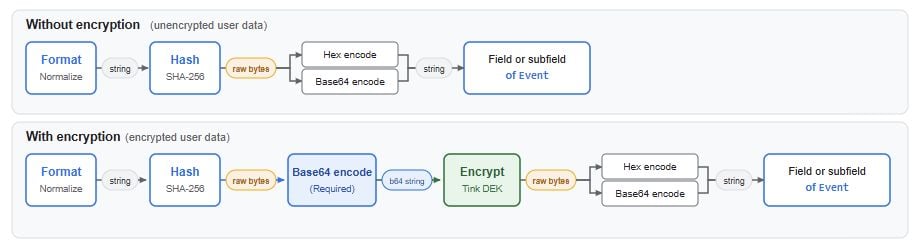
How this was written. Adtomix wrote this article with a language model from Search Engine Watch’s reporting (model: @cf/meta/llama-3.3-70b-instruct-fp8-fast); it describes that reporting rather than adding to it. The original, linked above, is the full story.
Key points from Search Engine Watch’s report
- Google Ads will no longer require SHA-256 hashing for Data Manager uploads starting November 16, 2026.
- The change affects various upload methods, including CRM connections and direct file uploads.
- The new process will utilize a hardware-isolated trusted execution environment to decrypt, normalize, and match data with Google accounts.
- Some Data Manager connections already handle preparation for advertisers, including normalization and hashing.
- Users should continue to follow the current upload rules until implementation guidance is provided.
Google Ads is making a significant change to its Data Manager upload process, according to Search Engine Watch. Starting November 16, 2026, uploads will no longer require SHA-256 hashing, and the platform will support encrypted customer data by default. This update applies to offline data used for Customer Match and enhanced conversions.
The change affects several upload methods, including CRM connections, cloud storage imports, direct file uploads, and the Data Manager API. However, it is unclear whether existing prehashed uploads will remain supported after the change. Google Ads has notified users of the upcoming change via email, which was shared by Anthony Higman.
The new process will utilize a hardware-isolated trusted execution environment, or TEE, to decrypt, normalize, and match data with Google accounts. This change is intended to improve matching and reduce formatting errors that can occur before hashing. Google attributes the change to better matching and fewer formatting errors, although no specific improvement figure has been provided.
Currently, the API requires hashing before both encrypted and unencrypted upload paths. For example, email addresses must be normalized by converting them to lowercase and removing specified characters before hashing. Phone numbers have their own required format, and preparing a record differently can produce a different input to the hash, leading to formatting discrepancies.
Some Data Manager connections already handle preparation for advertisers, including normalization, hashing, and encoding of personal-information fields. The notice affects not only those who manually prepare upload files but also those who use automated tools. The confidential matching system already uses a TEE for supported connections, and its documentation describes the matching process in detail.
To prepare for the change, developers should continue to follow the current upload rules until implementation guidance is provided. The API guide still instructs developers to hash email addresses and phone numbers, including before the optional encryption step. It is essential to identify which connector prepares identifiers and to keep a dated record of upload diagnostics and match results before the transition.
The upcoming change may require adjustments to existing integrations, and users should be prepared to investigate any changes in matching or campaign delivery after the transition. By understanding the current upload process and the changes that will take effect on November 16, users can ensure a smooth transition and minimize any potential disruptions to their Google Ads campaigns.
Questions and answers
What is the purpose of the change to the Data Manager upload process?
The change is intended to improve matching and reduce formatting errors that can occur before hashing.
Will existing prehashed uploads remain supported after the change?
It is unclear whether existing prehashed uploads will remain supported after the change.
How should developers prepare for the change?
Developers should continue to follow the current upload rules until implementation guidance is provided and identify which connector prepares identifiers.